
What Are Second-Class Bricks? Properties, Standards & Practical Uses
Understand second-class bricks: strength ratings, dimensional tolerances, plaster bonding characteristics, and why they are ideal for interior partition walls.
Shubham Bricks Technical Desk
Masonry & Materials Specialists
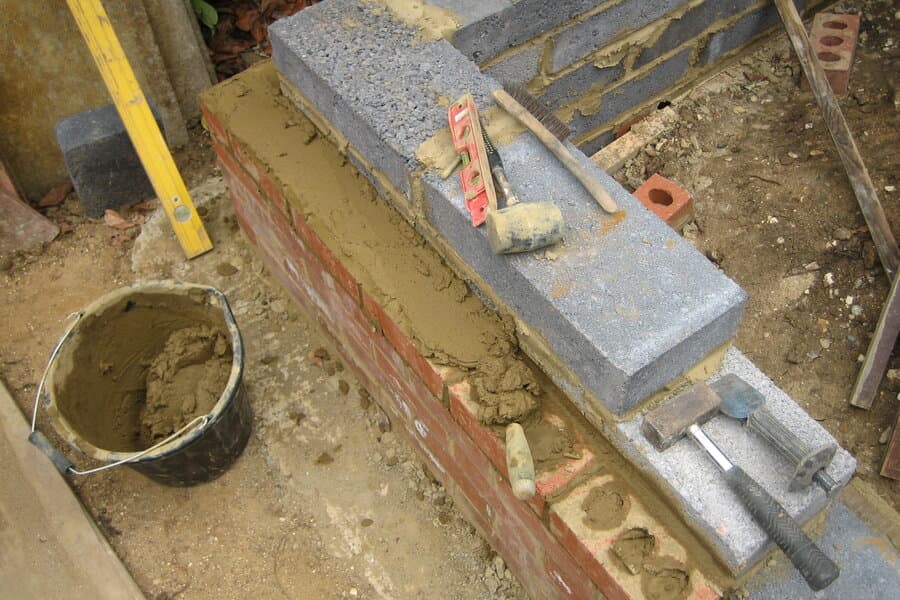
Stacked second-class bricks showing textured surface suitable for plaster key bonding
Key Takeaways at a Glance
- Second-class bricks are fully fired and structurally strong (5.0 – 7.0 N/mm²).
- Minor dimensional variations are completely hidden beneath standard cement plaster.
- Micro-textured surfaces provide superior mechanical adhesion for plaster.
- Using second-class bricks for internal walls reduces overall brick expenditure by 15–25%.
1. What Defines a Second-Class Brick?
Second-class bricks are ground-molded or table-molded bricks fired in standard kilns. They undergo thorough heat vitrification, meaning the clay is fully baked and hardened.
The distinction from first-class bricks lies strictly in minor cosmetic and dimensional tolerances: edges may be slightly rounded or irregular, and small superficial surface fissures or slight color variations may be present.
2. Technical Specifications & Mechanical Strength
Second-class bricks typically deliver between 5.0 and 7.0 N/mm² (50 to 70 kg/cm²). This is more than adequate for non-load-bearing partitions and moderate-load framed masonry.
Water absorption is generally around 16% to 20% by dry weight after 24-hour water immersion.
When two second-class bricks are struck together, they emit a metallic ring, though slightly less sharp than first-class units.
3. The Unexpected Advantage: Superior Plaster Bonding
Paradoxically, experienced plastering contractors often prefer second-class bricks over ultra-smooth first-class bricks for internal walls.
Because second-class bricks have a slightly rough, micro-textured surface profile, cement-sand mortar penetrates deeply into the brick face during plastering. This creates an interlocking mechanical grip that prevents plaster from de-bonding, peeling, or producing hollow sounds.
4. Best Practical Applications in Home Construction
Dividing bedrooms, living areas, and kitchens in residential homes.
Perimeter boundary fencing where walls are plastered or rendered.
Roof parapet walls, water tank supports, and utility housings.
Farm outhouses, sheds, and commercial storage divisions.
The Shubham Bricks Manufacturing Standard
30+ Years Kiln Operation in Alwar, Rajasthan
Unlike third-party traders or transient brokers, Shubham Bricks operates two dedicated brick kiln plants in Alwar. We pug our clay exclusively with sweet groundwater (tested low TDS), reducing salt efflorescence (shora) and wall dampness (seelan) for lasting plaster durability.
Have a question about this construction guide?
Ask our technical sales desk via WhatsApp or phone.
Related Construction Guides
Material ComparisonFirst-Class vs Second-Class Bricks: What Is the Difference?
Understand the real technical and practical differences between 1st-class and 2nd-class bricks to choose the right material for structural strength and budget control.
 Procurement Guide
10 Mistakes to Avoid When Buying Bricks
Save thousands on construction costs by avoiding these 10 common brick procurement mistakes, from efflorescence traps to inaccurate trolley measurements.
 Material Guide
What Are First-Class Bricks? Features, Specs & Identification Guide
A comprehensive engineering and practical guide to first-class bricks: standard dimensions, compressive strength, IS codes, sound test, and optimal construction uses.
Ready to Source High-Quality Red Bricks in Alwar?
Get genuine kiln-direct pricing, sweet-water manufacturing assurance, and dedicated truck delivery straight to your construction plot.