
What Are First-Class Bricks? Features, Specs & Identification Guide
A comprehensive engineering and practical guide to first-class bricks: standard dimensions, compressive strength, IS codes, sound test, and optimal construction uses.
Shubham Bricks Quality Lab
Kiln Production & Testing Specialists
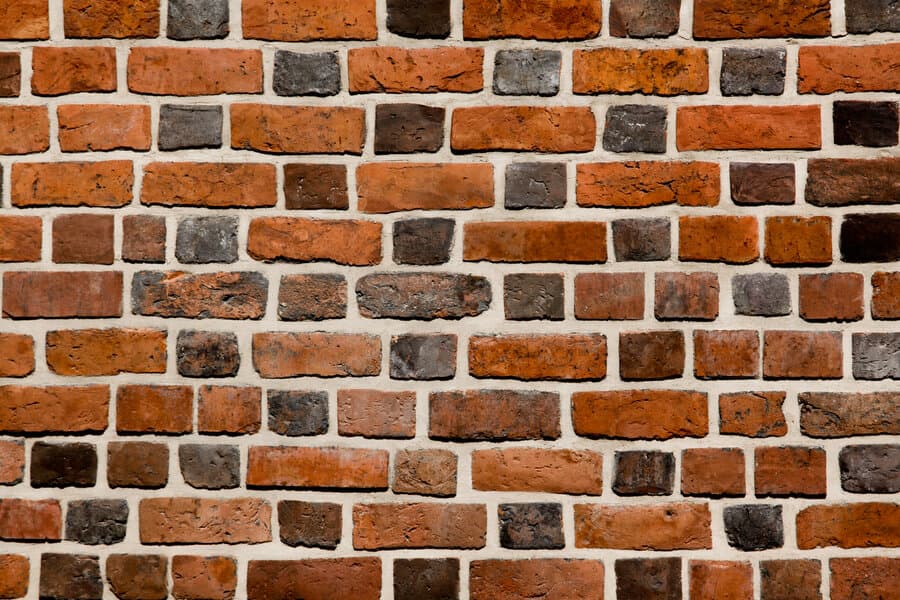
Detailed view of first class bricks showing sharp 90 degree edges and uniform dark terracotta red vitrification
Key Takeaways at a Glance
- First-class bricks have minimum 7.5 N/mm² compressive strength and <15% water absorption.
- They produce a clear metallic bell sound when two units are struck together.
- Sharp 90-degree edges save mortar and speed up masonry alignment.
- Essential for load-bearing exterior walls, multi-story frames, and visible facades.
1. Standard Specifications and Engineering Criteria
A first-class brick must possess a minimum crushing strength of 7.5 N/mm² (75 kg/cm²), with premium batches reaching 10.5 N/mm² or higher.
When soaked in clean cold water for 24 hours, water absorption must not exceed 15% to 20% of its dry weight.
Must be "nil" to "slight", meaning no significant white saline powder crystallizes on the surface during laboratory drying tests.
2. Physical Characteristics and Appearance
All edges are straight, parallel, and meet at crisp 90-degree right angles.
Thorough firing in the kiln ensures an even copper-red or terracotta coloration throughout the brick core, without dark unburnt hearts or yellowish under-fired spots.
Faces are free of large pebbles, deep cracks, nodules, or warped surfaces.
3. How to Test First-Class Bricks on Site (No Lab Needed)
Take two bricks and strike them firmly against each other. First-class bricks emit a clear, sharp metallic bell ringing sound. If they emit a dull thud, the bricks are under-fired or cracked.
Try scratching the surface of the brick with a clean fingernail or mild steel nail. A true first-class brick is hard enough that a fingernail will leave no impression.
Drop a brick flat from a height of approximately 1 meter (chest height) onto firm ground. A first-class brick will not shatter or break into pieces.
4. Ideal Construction Applications
Exterior walls carrying concrete roof slabs in independent houses, villas, and commercial buildings.
Facades, boundary pillars, and decorative panels where the brick will remain unplastered.
Below-ground masonry supporting heavy structural column points.
The Shubham Bricks Manufacturing Standard
30+ Years Kiln Operation in Alwar, Rajasthan
Unlike third-party traders or transient brokers, Shubham Bricks operates two dedicated brick kiln plants in Alwar. We pug our clay exclusively with sweet groundwater (tested low TDS), reducing salt efflorescence (shora) and wall dampness (seelan) for lasting plaster durability.
Have a question about this construction guide?
Ask our technical sales desk via WhatsApp or phone.
Related Construction Guides
 Material Comparison
First-Class vs Second-Class Bricks: What Is the Difference?
Understand the real technical and practical differences between 1st-class and 2nd-class bricks to choose the right material for structural strength and budget control.
 Procurement Guide
10 Mistakes to Avoid When Buying Bricks
Save thousands on construction costs by avoiding these 10 common brick procurement mistakes, from efflorescence traps to inaccurate trolley measurements.
Material GuideWhat Are Second-Class Bricks? Properties, Standards & Practical Uses
Understand second-class bricks: strength ratings, dimensional tolerances, plaster bonding characteristics, and why they are ideal for interior partition walls.
Ready to Source High-Quality Red Bricks in Alwar?
Get genuine kiln-direct pricing, sweet-water manufacturing assurance, and dedicated truck delivery straight to your construction plot.