
First-Class vs Second-Class Bricks: What Is the Difference?
Understand the real technical and practical differences between 1st-class and 2nd-class bricks to choose the right material for structural strength and budget control.
Shubham Bricks Technical Desk
Alwar Manufacturing Team (30+ Years Experience)
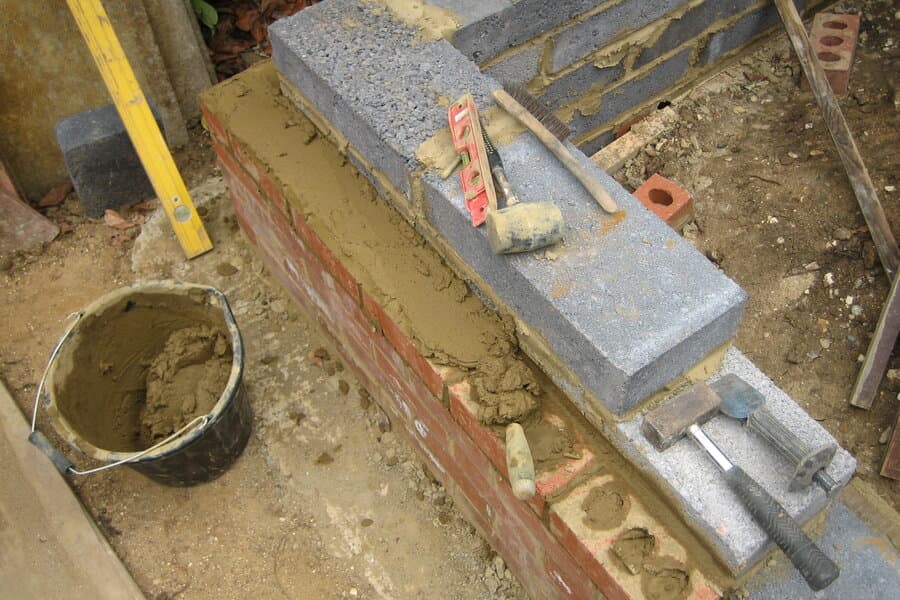
Comparison of first-class sharp-edged red clay bricks and second-class construction bricks
Key Takeaways at a Glance
- Use 1st Grade bricks for exterior load-bearing walls and visible elevations.
- Use 2nd Grade bricks for internal partition walls to optimize building budgets safely.
- Always verify sweet-water manufacturing to avoid permanent white efflorescence stains.
- Factor in mortar savings: straight bricks require less cement than uneven bricks.
1. What Are First-Class and Second-Class Bricks?
First-class bricks are molded with precise molds and fired in the optimal heat zones of the kiln. They have sharp, square edges, smooth flat faces, and uniform terracotta-red coloration with no cracks or visible flaws.
Second-class bricks are thoroughly fired and structurally sound, but they come from kiln zones where heating is slightly less uniform, or they may possess minor dimensional tolerances, slightly rougher surface texture, or small superficial chips that will be concealed under plaster.
2. Key Technical Differences at a Glance
First-class bricks deliver minimum 7.5 to 10.5 N/mm², making them suitable for load-bearing multi-story structures. Second-class bricks provide 5.0 to 7.0 N/mm², which is fully compliant for single-story load-bearing walls and multi-story framed partitions.
First-class bricks absorb less than 15% of their dry weight when immersed in clean water for 24 hours. Second-class bricks absorb between 16% and 20%.
When two first-class bricks are struck together, they emit a clear metallic ringing bell sound. Second-class bricks emit a slightly duller but still firm acoustic ring.
3. Vitrification & Efflorescence (Shora) Risks
The degree of kiln vitrification directly influences moisture resistance. First-class bricks are thoroughly vitrified, creating a dense ceramic matrix that resists water migration.
Crucially, whether a brick is first-class or second-class, water purity during manufacturing is what decides whether it bleeds white salt (shora). At Shubham Bricks, both our 1st Grade and 2nd Grade bricks are pugged with sweet potable water to safeguard against efflorescence.
4. Which Grade Should You Use for Your Walls?
Always choose 1st Grade bricks. They support roof slabs, resist exterior weather variations, and ensure straight vertical alignment.
Front Elevations & Exposed Brickwork: Use 1st Grade or LP (Laal Pethi) bricks for their sharp edges and rich aesthetic color.
Use 2nd Grade bricks. They are 15% to 25% more economical, and their slightly textured surface creates a stronger mechanical bond for cement plaster.
Choose Chatka bricks, which are hard-fired and offer stone-like density underground at the lowest price point.
5. The Hidden Cost Factor: Mortar and Plaster Savings
Many first-time builders assume that buying second-class bricks everywhere saves money. However, because first-class bricks have straight edges, masons use thin 10 mm mortar joints and 12 mm plaster coats.
With uneven bricks, masons must apply 15–20 mm mortar beds to level each course and up to 20 mm plaster to hide bumps. The extra cement and sand often eat away the initial price difference on exterior walls.
The Shubham Bricks Manufacturing Standard
30+ Years Kiln Operation in Alwar, Rajasthan
Unlike third-party traders or transient brokers, Shubham Bricks operates two dedicated brick kiln plants in Alwar. We pug our clay exclusively with sweet groundwater (tested low TDS), reducing salt efflorescence (shora) and wall dampness (seelan) for lasting plaster durability.
Have a question about this construction guide?
Ask our technical sales desk via WhatsApp or phone.
Related Construction Guides
Material ComparisonRed Bricks vs Fly Ash Bricks: Which Is Better?
Compare red clay bricks and fly ash bricks for construction in Rajasthan. Learn about thermal insulation, moisture behavior, structural lifespan, and cracking.
 Material Comparison
Clay Bricks vs Concrete Blocks: Which Should You Choose?
Explore the pros and cons of red clay bricks versus concrete blocks. Understand when to choose clay bricks for residential comfort and concrete blocks for industrial speed.
 Procurement Guide
10 Mistakes to Avoid When Buying Bricks
Save thousands on construction costs by avoiding these 10 common brick procurement mistakes, from efflorescence traps to inaccurate trolley measurements.
Ready to Source High-Quality Red Bricks in Alwar?
Get genuine kiln-direct pricing, sweet-water manufacturing assurance, and dedicated truck delivery straight to your construction plot.